



Buying a home is one of the biggest financial decisions most people will ever make, and your clients look to you to guide them through that process. Knowing what not to do before buying a house is just as valuable as knowing what to do. More specifically, avoiding common mistakes before closing can prevent delays, added costs, or even a denied mortgage. As a real estate professional, you are the one guiding buyers from preapproval to closing, and that guidance protects the deal.
Here in Central Florida, where the market moves quickly and buyers are eager to purchase a home near Orlando’s growing job centers and lifestyle amenities, one financial slip can stall a transaction. This guide walks you through the most common pitfalls, why lenders pay attention to them, and the practical steps you can share with clients to keep everyone on track.
Consider this a tool you can hand your buyers. When you sound like the calm, well-informed expert in the room, you close more deals and earn more referrals.

What Not to Do Before Buying a House
Many buyers assume that once they’re pre-approved, the hard part is over. In reality, lenders continue reviewing a buyer’s financial situation throughout the mortgage process, right up until the loan funds. That means it is important to maintain good financial habits until the purchase is complete.
Lenders often pull updated credit reports and re-verify employment and assets days before closing. A new car loan, a fresh credit card, or a large unexplained deposit can change the numbers a lender relied on for loan approval. When the debt-to-income ratio shifts or the credit history looks different, the mortgage lender can pause, re-underwrite, or even deny the file.
The biggest mistakes buyers should avoid are simple to describe but can have considerable consequences: opening new lines of credit, running up credit card debt, changing jobs, and moving money around without a paper trail. Below, we break down each one so you can coach your clients through the process with confidence.
Is Buying a House a Good Investment?
Yes, for many buyers, homeownership can be a strong long-term investment. However, the answer ultimately depends on their financial goals, the local market, and how long they plan to own the property. A buyer who plans to remain in the home for several years and purchases within a realistic price range gives themselves time to build equity and weather short-term market fluctuations.
Central Florida illustrates the point well. The Orlando region continues to draw new residents thanks to its steady job growth, year-round warm weather, and access to attractions, parks, and a lifestyle that appeals to families and professionals alike. For agents, that lifestyle story is part of the value you bring to the table. It plays a significant role when you help clients weigh whether to purchase a home now or keep renting.
That said, buying is not automatically the right move for everyone. A buyer planning to relocate in a year or two may not hold the property long enough to offset closing costs and transaction fees. Part of being a well-informed advisor is helping clients see both sides honestly, which is exactly what makes them trust your recommendation.
Remember, this is general information, not legal, tax, or financial advice. Encourage clients to consult a qualified financial professional or lender about their specific situation.
What Are the Benefits of Buying a Home vs. Renting?
When clients ask you to compare buying versus renting, a clear, factual list helps them think it through. Here are the benefits you can discuss:
- Equity building. Each mortgage payment on an owned home builds ownership over time, rather than paying a landlord’s mortgage.
- Stability in housing costs. A fixed-rate loan keeps principal and interest predictable, while rents can rise year over year.
- Freedom to personalize. Owners can renovate, decorate, and improve the property to fit their needs.
- Potential long-term appreciation. In a growing region like Orlando, property values may rise over the years, though appreciation is never guaranteed.
- Roots in a community. Owning supports the lifestyle side of the decision, from settling near preferred schools to being close to Orlando’s parks, trails, and amenities.
Renting still has its place for buyers who value flexibility or are not ready to commit. Presenting both sides keeps your guidance credible.
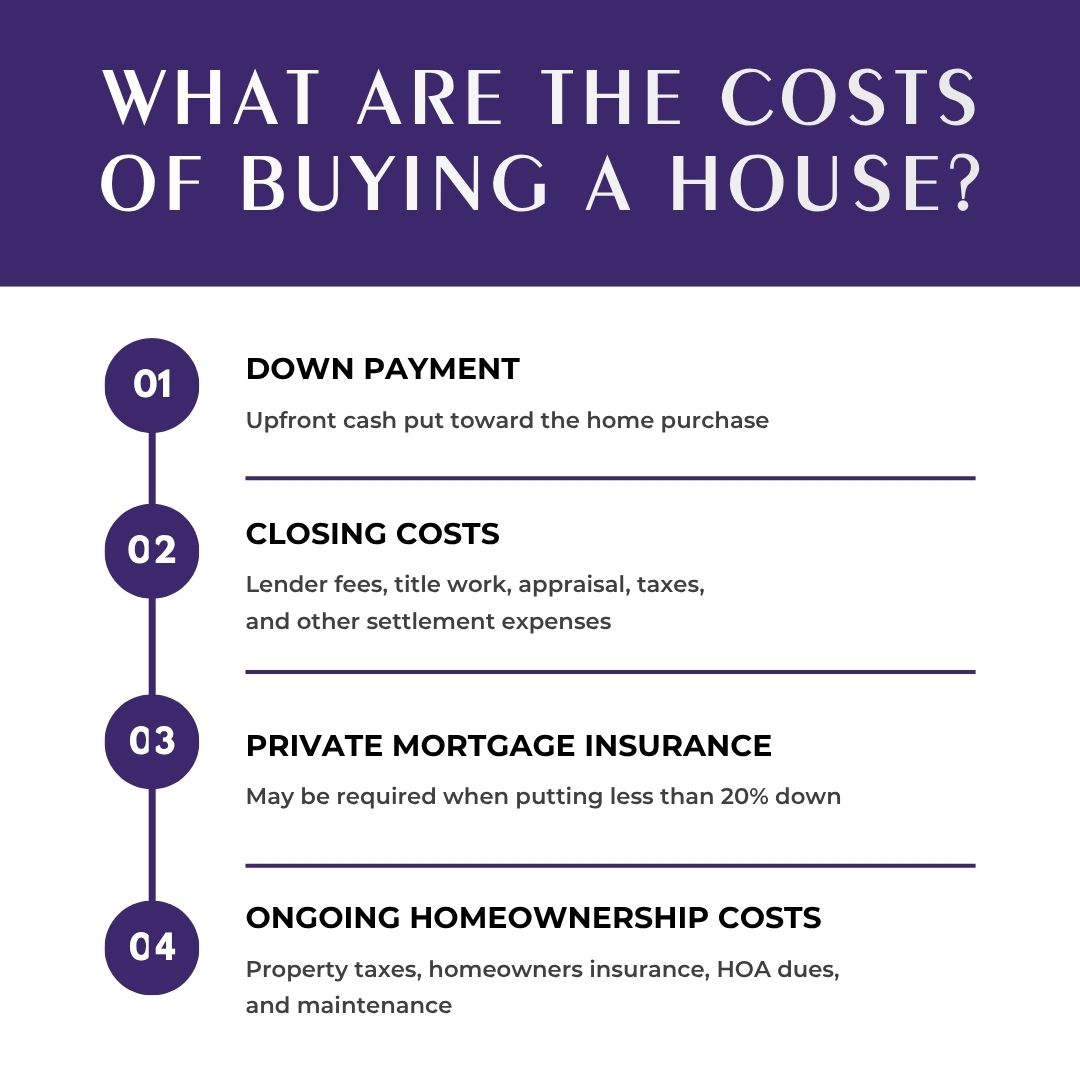
What Are the Costs of Buying a House?
A lot of first-time buyers focus only on the purchase price, but it’s important they budget for all ownership costs. Helping clients understand these expenses early can prevent unexpected financial strain later and keep the transaction moving forward. Here are the costs worth breaking down.
Down Payment
The down payment is the upfront cash a buyer puts toward the purchase. It affects the loan amount and, in many cases, whether the buyer will owe mortgage insurance. While a larger down payment can reduce the amount financed and potentially lower the monthly payment, buyers should also know this is nuanced. It’s important to consider the cash necessary for closing costs, moving expenses, and additional expenses.
Closing Costs
Closing costs are those paid to finalize a real estate transaction and transfer homeownership. Generally, costs cover lender fees, title work, appraisal, taxes, and similar expenses. They are due at settlement, and buyers should set money aside for them well before closing day. It’s also important to note that both the home buyer and the seller are responsible for closing costs, though they pay different fees.
Private Mortgage Insurance
Private mortgage insurance (PMI) is a specialized policy required by lenders when a homebuyer makes a down payment of less than 20%. Ultimately, PMI protects the lender, not the buyer, in the event that the borrower stops making payments. For clients putting less than 20% down on their conventional loan, it’s important to inform them of this policy early so they can plan accordingly.
Ongoing Homeownership Costs
Property taxes, homeowners insurance, HOA dues, and maintenance are recurring expenses beyond the mortgage. Buyers who budget for these avoid straining their monthly cash flow after they move in. It’s also important to inform buyers that some expenses can change over time. In other words, the cost of home ownership won’t necessarily remain the same from year to year.
Loan Type Matters for Costs
The right loan can change a buyer’s out-of-pocket costs significantly. A USDA loan, for example, can be an option for buyers in eligible areas. The USDA guaranteed program provides a loan note guarantee to approved lenders to reduce the risk of extending 100% loans to eligible rural homebuyers. As a result, there is no money down for those who qualify. For agents, it’s valuable to know that almost 97% of the U.S. falls under this category.
Likewise, encourage homebuyers to look into a VA loan. VA loans do not require a down payment, so long as the buyer has full entitlement. However, with partial entitlement, a down payment may be needed depending on the loan size.
Understanding these options makes you a stronger resource. For more on the financial side of transactions, we encourage you to read: “How Much Is Realtor Commission?” Not only does this allow you to set realistic expectations with clients, but it also helps you understand what to expect.
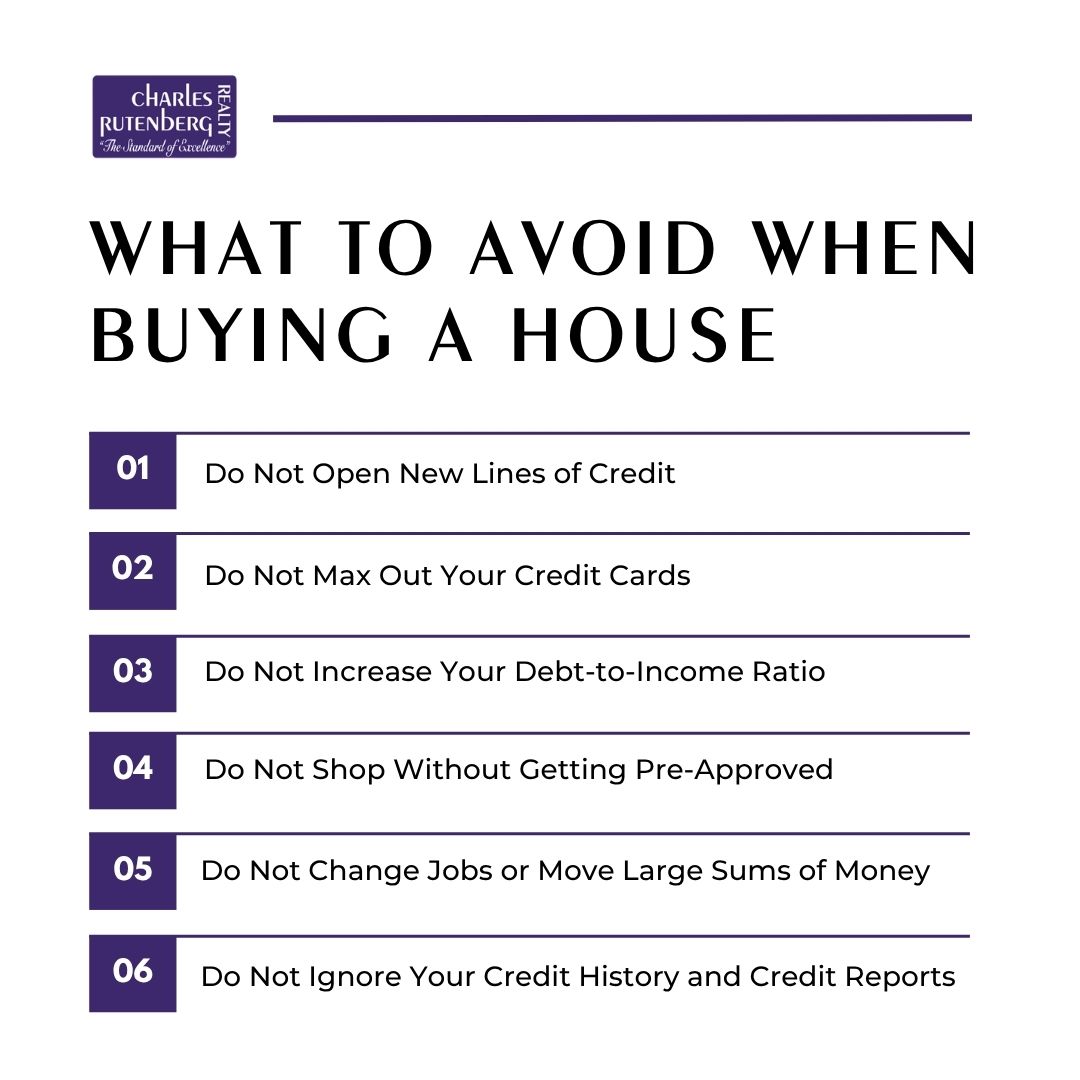
What to Avoid When Buying a House
As an agent, it’s important to understand what buyers should avoid once they are under contract. In short, you want to encourage them to refrain from anything that changes their financial picture before the loan funds. Below, we’ve outlined some of the most common mistakes that can affect the transaction:
Do not open new lines of credit.
Opening new lines of credit during the process is one of the most common ways buyers derail loan approval. A new financing account triggers a credit inquiry and adds debt the lender did not account for, which can lower the odds of getting approved for a mortgage. Advise clients to hold off on any new credit until after closing.
Do not max out your credit cards.
When buyers max out their credit cards, their credit utilization spikes and their score can drop. Rising credit card debt also raises the debt-to-income ratio the lender uses to qualify the file. Even normal spending, if heavy, can move the numbers enough to matter.
Do not increase your debt–to–income ratio.
Any new monthly obligation, from a car payment to a furniture financing plan, can increase debt-to-income ratio. Lenders weigh this ratio heavily, so a client who takes on new debt right before closing risks a denial. Encourage buyers to keep their balances and obligations flat.
Do not shop for houses without getting pre–approved.
Buyers who shop for houses without getting pre-approved often fall in love with homes outside their real price range, then face heartbreak or a rushed financing scramble. A pre-approval sets a realistic budget and signals to sellers that the buyer is serious. Getting pre-approved first is one of the most useful steps you can push clients toward.
Do not change jobs or move large sums of money.
Lenders re-verify employment and review credit reports late in the process, so a job change can complicate loan approval. Large, undocumented deposits raise questions too, because lenders need a clear paper trail for down payment and reserve funds. Remind clients to keep employment steady and to document any big transfers.
Do not ignore credit history and credit reports.
A buyer’s credit history shapes the rate and terms they qualify for. Encourage clients to review their credit reports early, dispute errors, and avoid any activity that could hurt their standing before closing.
Tips for Buying a House
Here are the most important practices buyers should follow before closing, summarized so you can pass them along quickly:
- Get pre-approved before house hunting so buyers shop within their price range.
- Keep credit card debt low and avoid opening new lines of credit until after closing.
- Do not change jobs or make major purchases during the process.
- Document any large deposits to keep the paper trail clean for loan approval.
- Budget for closing costs, private mortgage insurance, and ongoing ownership expenses, not just the purchase price.
- Explore every loan option, including a USDA loan or VA loan, to find the best fit.
- Review credit reports early and protect credit history through closing.
For a deeper resource you can share with clients, point them to our guide on tips for first time homebuyers. The more prepared your buyers are, the smoother your transactions become.
Grow your real estate career at Charles Rutenberg Realty.
Guiding buyers away from these mistakes is exactly the kind of expertise that builds a thriving real estate business, and the brokerage you partner with should support that work. Charles Rutenberg Realty, founded in 2000, is one of the largest and most respected real estate brokerages in Florida. We are also the largest single-office brokerage in the state, home to more than 2,100 agents. Our Orlando office represents our expansion into the Central Florida market, bringing our Standard of Excellence to a region full of opportunity for agents who want to grow.
We are built on an agent-first model: our agents keep 100% Commission with low fees, backed by technology, training programs, marketing tools, and a collaborative environment. When you keep more of what you earn and have the right support behind you, you can focus on serving buyers and selling the Orlando and Central Florida lifestyle that makes this market so appealing.
Ready to take the next step in your Florida real estate career? Apply to join our office or learn more about how we support agents on our work with us page. Let us help you build the business you want, right here in Central Florida.